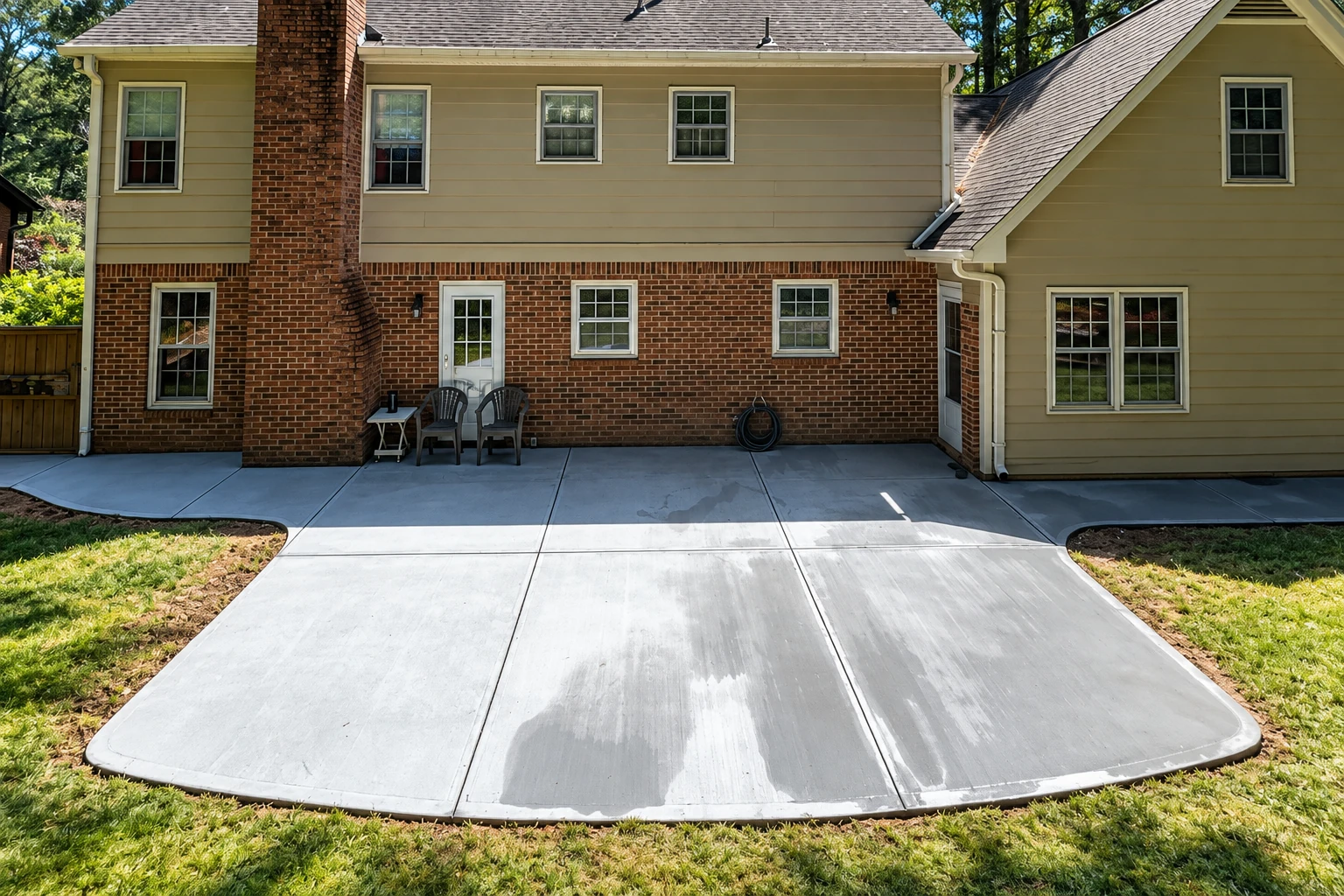
Foundation installation in Glendora, CA - built to fit the slope of your lot
Building on a sloped or uneven lot? We match the foundation to your ground, so the house sits level and solid.
- Licensed and insured.
- Free quotes on site.
- Expect a reply within 1 business day.
What does a new foundation in Glendora involve?
Foundation installation in Glendora covers digging out and grading the site, pouring the footings, and then pouring the concrete foundation your house or addition will stand on. Done right, it gives your walls a level, solid base that suits the slope and soil of your lot.
Most people who call me are planning a new home, an addition or a rebuild, and their first questions are about cost and time. The home's size and the type of foundation set most of the price, and the amount of digging and grading your lot needs adds to it. The schedule turns on the permit, the ground and curing, which is the stretch of days the concrete needs to gain strength before anyone builds on it. My written estimate lists what's included, so you can see where the money goes. If your house is already standing and the foundation has sunk, that's a different job, and foundation raising is the place to start.
How do you know what your lot needs from a foundation?
The lot slopes away
If one corner of the building spot sits well below another, a flat slab would need a lot of fill and grading under it. That usually points toward a stem wall, and settling the question before the plans are drawn costs far less than changing it after the forms are up.
Water stands after rain
Puddles that linger, or a yard that drains toward where the house will sit, tell me the drainage needs work before any concrete goes down. If that step gets skipped, the water ends up under the foundation, where it is much harder and costlier to deal with.
Soft or filled ground
Dirt that gives underfoot or an old fill area usually has to be dug out and packed before the footings go in. Pouring over it saves a little time now and can mean settling and cracking for as long as the house stands.
How we handle foundation installation
I start with the slope of your lot and talk through with you whether a slab or a stem wall fits it better, because that choice shapes the cost and everything after it. Before we settle the plan, I'll ask you to look up your lot on the state's earthquake hazard lookup, since a mapped hazard zone can change what the foundation needs. Then our crew digs out and grades the site and packs the subgrade, the soil the foundation rests on, until it's firm. We set the forms and the rebar, which is steel bar that helps the concrete carry weight and hold together, and we pour the footings and the foundation with me on site. We aim to pour early in the day, because concrete placed in the afternoon heat can dry too fast on top and end up weak. If a budget gets tight, I'd rather trim something you can see than the digging and packing, because the ground under the concrete decides how the house holds up.
Some projects only need concrete footings, such as a porch, a deck or a garden wall, and we pour those on their own as well. For small property and business owners, the same care with the ground carries over to concrete parking lot building, where a poorly packed base shows up later as sunken spots and standing water.
Slab on level ground
A slab suits level ground with stable soil, and it does a good job of keeping moisture out of the house. Keep in mind that the plumbing runs under it, and drilling through a slab to repair pipes can be expensive, so that future cost belongs in your comparison.
Stem wall on a slope
A stem wall is a short wall around the edge of the home, partly below ground, and it suits a sloped lot and adds stability where earthquakes may happen or the soil may become unstable. The slab inside it can also be raised, which helps if your septic system relies on gravity to drain.
Get a written estimate for your new foundation
We'll reply within one business day to set a time for me to come and walk your lot. The estimate is free, done on site and written out with what's included. There's no obligation to go ahead.
(626) 513-4658What Glendora's ground means for foundation installation
The state maps seismic hazard zones, and its liquefaction maps mark areas where wet ground may lose its strength and behave almost like a liquid during a strong earthquake. If your property sits inside a mapped zone, you may be required to have the hazard investigated and reduced as part of the local permit process, which is one more reason I ask you to check your lot early. I'll tell you at the estimate if I expect a permit, and when a job needs one, we handle the application and the inspections with the city or county office that covers your address.
Around Glendora we often see lots that fall toward the street and ground that has been filled and graded before, and both get the same treatment from us, which is digging down to firm soil and packing it before any forms go up. We meet the same kinds of slopes on jobs in Azusa and San Dimas, and we work across the San Gabriel Valley and the Pomona area, including many cities not listed on this site.
What happens after you call about a foundation in Glendora?
Call or send the form
Call (626) 513-4658 or send the form with a few words about your project. We'll set a time for me to come out and look at the lot.
I walk the lot with you
I look at the slope, the ground, the drainage and the access for equipment, and I answer your questions. You get a written estimate that lists what's included, so you can see what the price covers before you decide anything.
We permit, prep and pour
If you'd like to go ahead, we handle any permit the job needs, and our crew does the digging, grading and forming. I'm on site with them for the pour.
Walk the finished foundation together
When the work is done, we walk the foundation with you and go over how to look after it while it cures. It's a good time to ask anything about handing the site over to your framer.
Frequently asked questions
How much does foundation installation cost per square foot?
Across the US, foundation installation usually costs about $6 to $50 per square foot, depending on the type of foundation. The range is wide because a simple slab and a stem wall on a slope are very different jobs, and the digging and grading your lot needs moves the number further. My written estimate shows where your job lands and what's included.
What is the best foundation for a sloped lot in Glendora?
A stem wall is usually the best fit on a sloped lot, because its sections can be built to different heights to follow the ground. A slab suits graded land poorly, and a crawl space handles uneven ground but is prone to moisture problems, so with a crawl space you're trading a good fit for that risk. I'd want to see your slope and soil before recommending either.
How do I find out if my property is in an earthquake fault zone?
You can look it up on the state's EQ Zapp tool, which shows whether a property is in an Alquist-Priolo Earthquake Fault Zone, a Seismic Hazard Zone, or both. That's the lookup I ask owners to do before we settle the plan, because the answer can affect both the foundation type and the permit.
What license does a contractor need for concrete foundation work in California?
California's state contractor license board has a concrete contractor class for contractors who form, pour, place, finish and install concrete work. When you compare bids, ask which licensed contractor runs the whole job, because that class leaves out firms whose only work is placing the steel reinforcing bars.
How long does it take to pour a house foundation?
The pour itself typically takes a full workday with the crew on site, so it helps to keep the driveway and side yard clear that day. The digging and forming before it and the curing after depend on your lot and the weather, and I'll walk you through the schedule at the estimate.
Will a new concrete foundation crack?
Some fine hairline cracking is normal as concrete cures and shrinks, and it doesn't usually mean anything is wrong. The cracks that matter come from ground that settles or water that gets underneath, and the steel inside helps keep small cracks tight. Those are the things we spend the most time on before the pour.
Glendora, CA
Book a foundation estimate on your lot
Having the home's size in square feet, a sense of the lot's slope and your EQ Zapp result ready lets us spend the visit on your questions instead of the basics.